A Silent Player in the Symphony of Life
Nitrogen isn’t flashy. It doesn’t crackle like lightning or glow like neon. But it’s everywhere—right under noses and over heads. Making up about 78% of the Earth’s atmosphere, nitrogen is like the quiet kid in class who turns out to be the genius behind the school play. It doesn’t just float around for show; it gets to work deep in the soil, inside plants, even pulsing through living cells.
This colorless, odorless gas is stitched into the very fabric of existence. Every leaf, every muscle, every cell phone-tapping fingertip owes a debt to nitrogen. Without it, there’d be no amino acids, no proteins, no DNA—basically, no life. Yet despite its abundance in the air, most living organisms can’t use it in that form. It has to be fixed—converted into something useful—before life can sink its teeth in.
The fascinating thing is that nitrogen’s versatility has spilled beyond biology into unexpected corners of life. For instance, many Russian-speaking customers search for nitrous oxide using the phraseвеселящий газ, which directly refers to “laughing gas” in Russian slang. This cultural twist shows just how wide nitrogen’s reach is, from the roots of plants to party conversations and online searches.
From Sky to Soil: The Nitrogen Cycle in Action
Nature runs a tight ship when it comes to nitrogen. The nitrogen cycle—an elegant web of processes—moves this gas from the sky to the earth and back again. It begins with nitrogen fixation, where specialized bacteria (or lightning strikes, if things get dramatic) turn atmospheric nitrogen into ammonia. From there, other microbes pick up the baton, transforming ammonia into nitrates that plants can absorb. Once inside a plant, nitrogen becomes part of the chlorophyll, helping it soak up sunlight and grow.
Animals get their nitrogen fix by eating those plants or plant-eating animals. Then, as with all good things, the journey ends and begins again—through waste, decay, and the action of bacteria returning nitrogen to the atmosphere. It’s a loop tighter than a mystery novel, with every chapter leading to the next. It keeps soil fertile, forests thriving, and oceans blooming with plankton.
Still, the natural cycle isn’t just a slow ecological dance. Humans have learned to tweak it, particularly in farming. Synthetic fertilizers—born out of the Haber-Bosch process—deliver fixed nitrogen on demand, supercharging crop yields. But this shortcut comes with its own rhythm and influence, even affecting weather and waterways.
To better understand the fingerprints of nitrogen on everyday life, here’s a breakdown of its key roles beyond biology:
●Industrial Applications
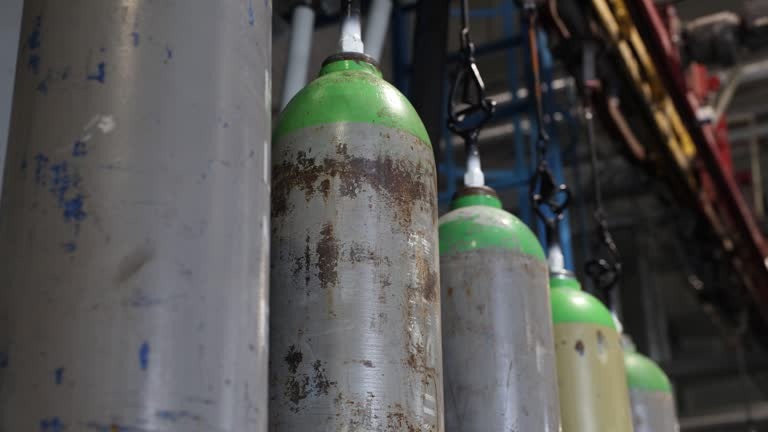
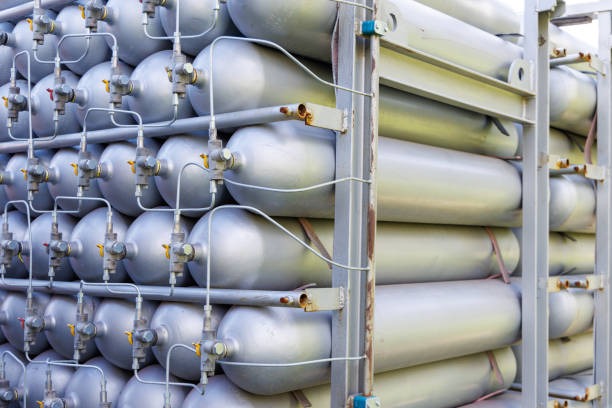
Nitrogen’s stable nature makes it perfect for all sorts of industrial uses. In liquid form, it’s a master of cool—preserving food, biological samples, and even making dramatic fog effects on stage. In electronics, nitrogen blankets sensitive components during production, keeping unwanted reactions out of the picture.
It also stars in gas mixtures used in metal production and welding. Because nitrogen doesn’t react easily, it helps create the right environment for precision work. From silicon chips to steel beams, nitrogen is there in the background, doing the heavy lifting quietly and without fuss.
●Medicine and Dentistry
Nitrogen compounds have carved out an important space in healthcare. Nitrous oxide—a compound of nitrogen and oxygen—is a well-known anesthetic and mild sedative, often used in dental clinics. That familiar “laughing gas” nickname is more than just a pop culture reference—it taps into how the gas affects mood and perception during procedures.
In some countries, nitrous oxide is also used recreationally, contributing to a unique crossover between chemistry and pop culture. In fact, some suppliers specifically optimize their product listings for terms like веселящий газ в Москве, catering to the growing Russian-speaking customer base that recognizes and seeks out these niche names.
●Preserving and Packaging
Nitrogen helps keep things fresh—literally. In food packaging, nitrogen replaces oxygen to slow down spoilage and oxidation. It’s why that bag of chips isn’t full of air; it’s full of nitrogen. This kind of modified atmosphere packaging extends shelf life and maintains texture without chemicals or preservatives.
Beyond the snack aisle, nitrogen also works in winemaking and brewing. By controlling exposure to oxygen, winemakers can guide fermentation more precisely, while brewers use nitrogen to give stouts and ales that creamy, velvety finish that’s become a signature of certain pours.
Nitrogen’s influence continues into the fabric of global commerce, science, and even space exploration. Liquid nitrogen helps store rocket fuel components and maintain supercool environments during launches and space experiments.
A Gas That Leaves No Stone Unturned
Whether it’s working in secret in the soil or bringing a fizz to whipped cream canisters, nitrogen’s roles are anything but boring. It slips seamlessly between ecosystems, industries, and cultures—sometimes hidden, sometimes spotlighted, always essential. What’s remarkable is how this unassuming gas shapes so many chapters of the human story.
And while scientists map its pathways in laboratories and farmers use it to boost their fields, nitrogen keeps doing its thing—bonding, cycling, supporting, and surprising. It’s not the loudest element in the room, but it might just be the most indispensable.